CAFOD is the official Catholic aid agency for England and Wales

Climate change

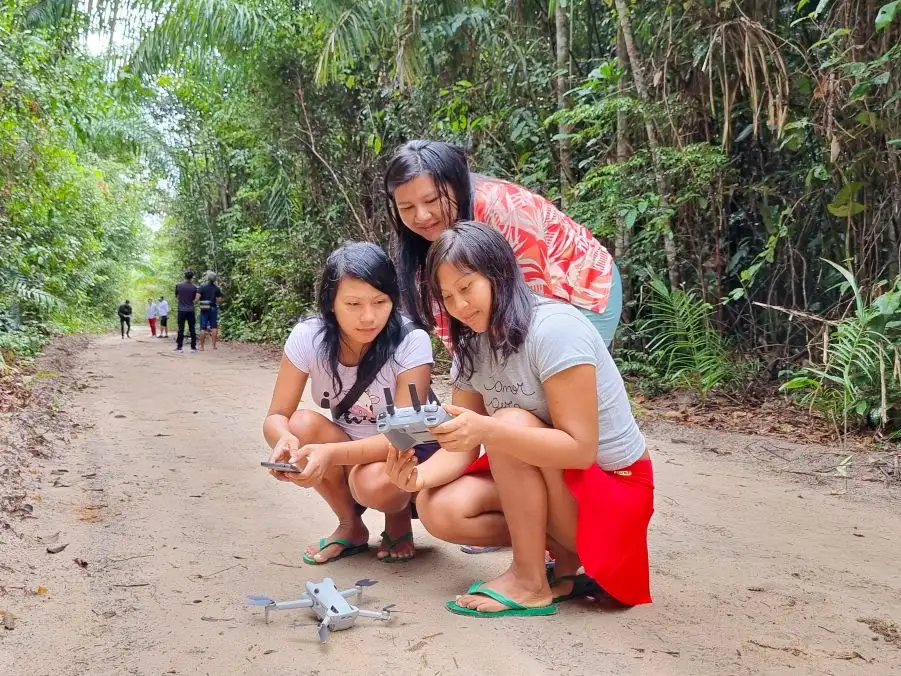
Niccollette and Shrirvanie film the aftermath of the Guyanan floods, with support from CAFOD partner Guyana Human Rights Association [CAFOD]
Aftermath of the Guyanan floods. Climate change means that disasters like this will occur more frequently. [CAFOD]

People have always had to adapt to variable climate patterns, but climate change will increase the frequency and severity of extreme weather.

This will stretch people’s ability to adapt to its limit, especially the poorest who will be most vulnerable to climate change but have done least to cause it.

Millions risk being pushed deeper into poverty, for example by losing homes and crops in floods and droughts or through conflict over lack of water or other resources. Click on the links on the right for case studies from around the world.

We work with local organisations overseas who help vulnerable communities cope with the impact of increased floods, droughts and extreme weather. Our disaster risk reduction work enables people adapt to a changing climate and to prepare for disasters before they happen.

But a global problem like this needs a global solution.

In order to avoid catastrophic climate change, we are also lobbying developed country governments to tackle the root causes of the problem by cutting carbon emissions and by providing additional money to help poor countries adapt to the impacts of climate change and pursue clean, green development in the future.

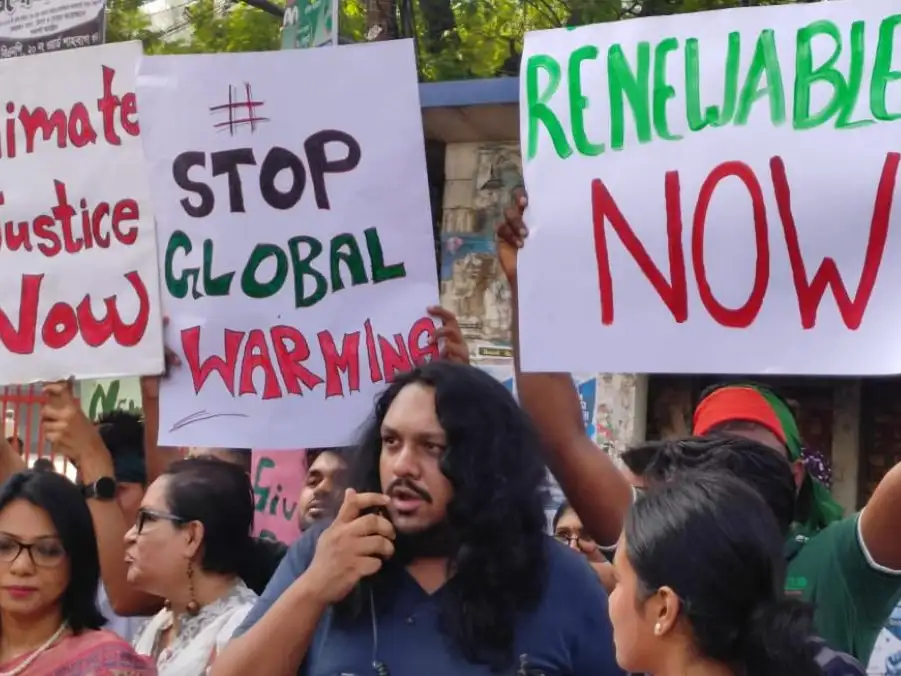
Find out more and join our campaign for climate justice


section highlights Rss Feed
Residents ride a makeshift raft during flooding east of Manila September 27, 2009 [REUTERS/John Javellana, courtesy www.alertnet.org]

Focus: Reducing threat of natural disaster

To mark UN International Day for Natural Disaster Risk Reduction (October 14), we focus on our work helping people in vulnerable areas prepare for the worst

Life is becoming increasingly difficult for Kenya's nomadic herding communities

Kenya: No future without change

For thousands of years, Kenya’s cattle-herding communities have adapted to a nomadic life in a harsh climate. But today, this way of life is stretched to breaking point

Jul Yap now has a flourishing coconut crop thanks to training from CAFOD's partner JPIP [Annie Bungeroth]

Philippines: A greener view

Weather patterns in the Philippines are changing and local farmers can no longer rely on regular rainfall. They must adapt to survive

latest updates Rss Feed
Extreme weather has meant that Laxmi Mondol has had to find new ways of earning a living, such as growing mushrooms, instead of growing rice

Bangladesh: Rebuilding again and again

Laxmi Mondol saw her life change in an instant. In 2007, Cyclone Sidr hit the small village of Chila Bazar, in the Mongla region of Bangladesh, where she lives with her husband and five-year-old daughter. She lost her home and security as the result of a changing climate.

Bishop Theotonius Gomes of Bangladesh speaks out for climate justice at the UN climate change talks in Poznan, Poland [CAFOD]

Climate change

Climate change is a huge development challenge and threatens to reverse the progress made towards tackling poverty. Read policy reports and briefings on climate change and on this year's UN climate negotiations.

Salma Begum prepares fish which are now in short supply in the Khulna District [Claire Goudsmit]

Helping communities tackle the effects of climate change

Prodipan’s work in the Sundarbans area in south-west Bangladesh focuses on livelihoods programmes which work to create alternative types of work, arrange micro credit and encourage entrepreneurship

Published on 03/12/2007, last updated on 06/07/2010
sign-up for e-news

News, events, jobs, and ways you can support us. Sign up now

Privacy statement
why this matters