Too many people face the injustices of poverty, conflict and the climate crisis.
Every single day, through no fault of their own, families around the world struggle to access clean water for drinking and washing; are forced to flee their homes because of violent conflict; are unable to grow food in an increasingly unstable climate.
This is an injustice. This is not fair. No one should have their life limited; everyone deserves the opportunity to fulfil their God-given potential – to flourish.
That's why we stand defiantly, side by side, with our sisters and brothers around the world, supporting them to face these injustices wherever and whenever they encounter them.
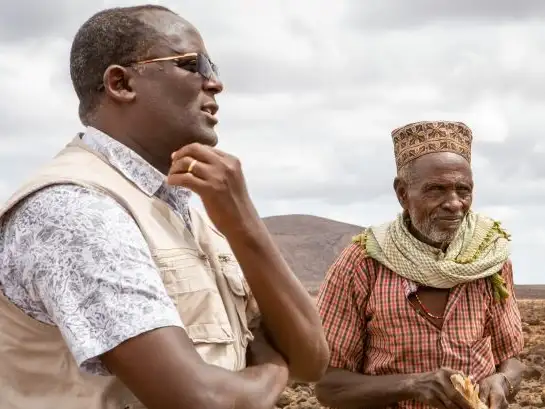
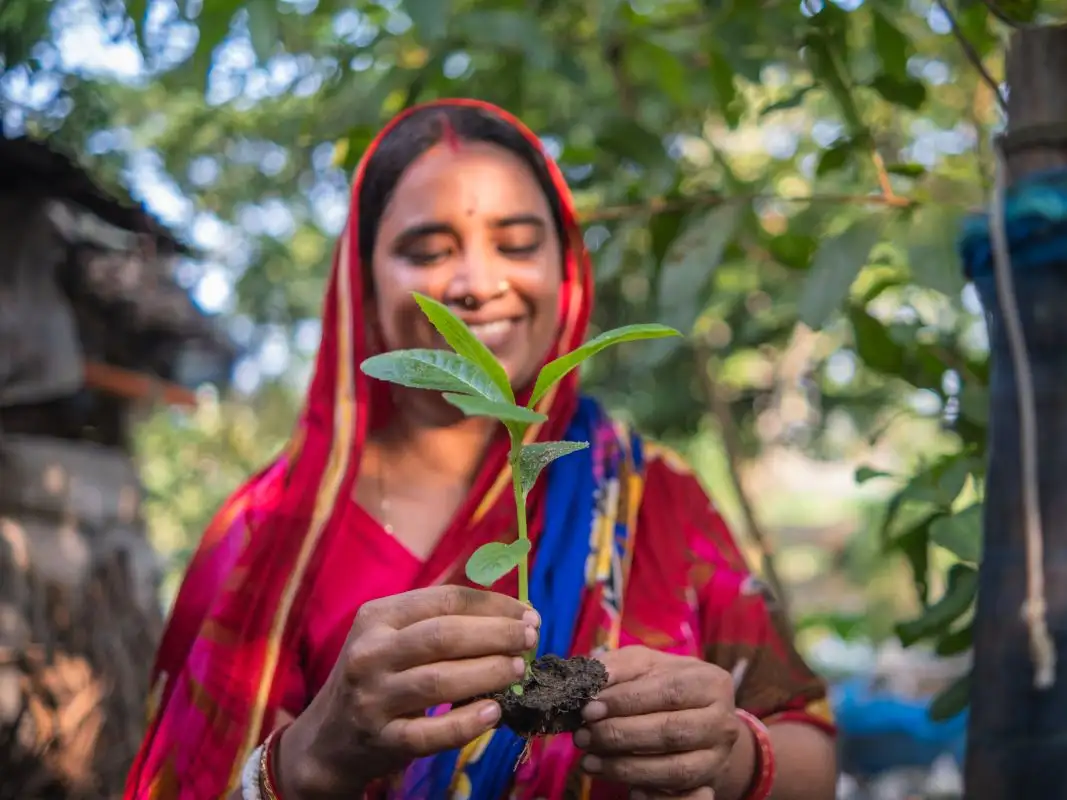
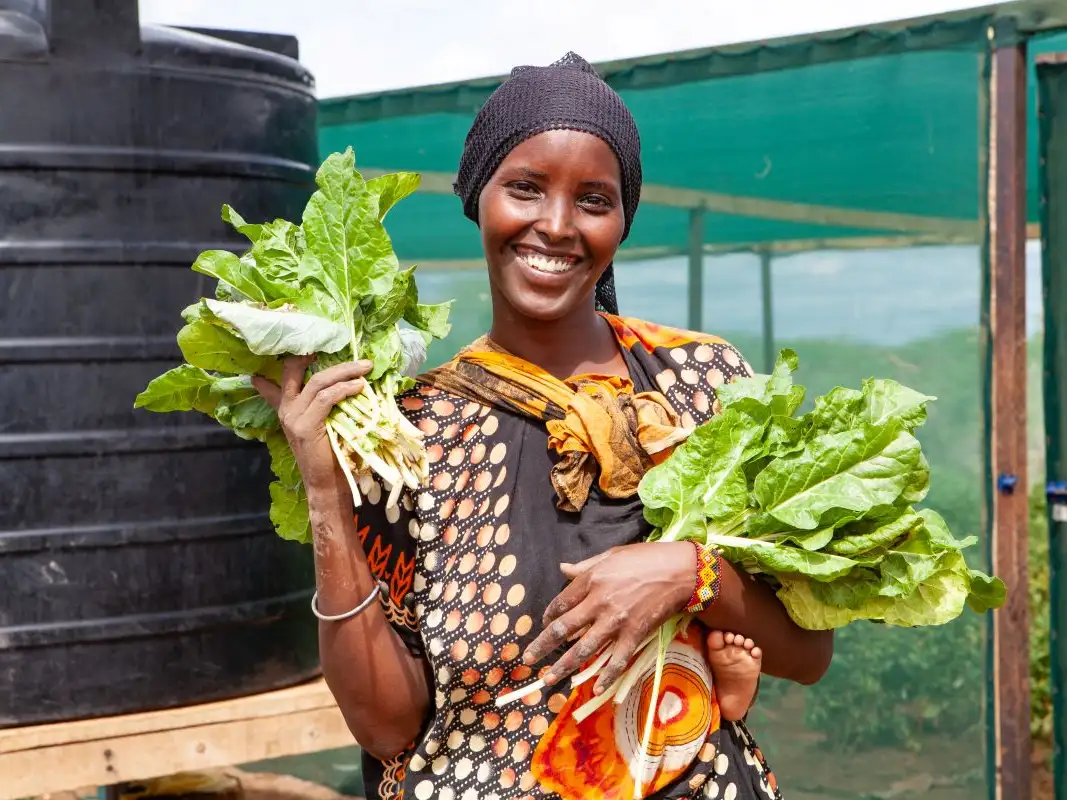
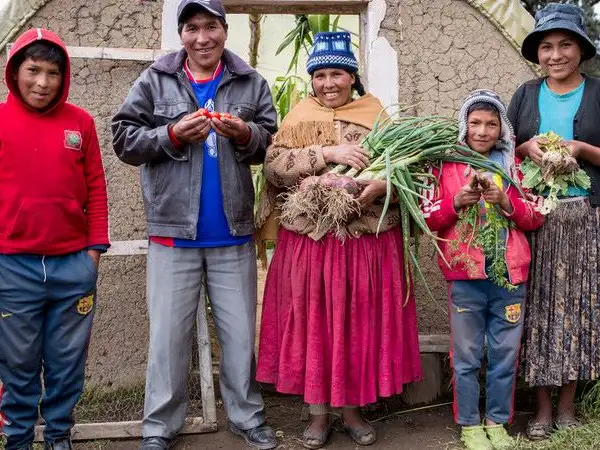
We work hand in hand with farmers finding new ways to grow food on land laid bare by the climate crisis.
We support water engineers finding ways to ensure their communities have enough to drink if the rain doesn't fall.
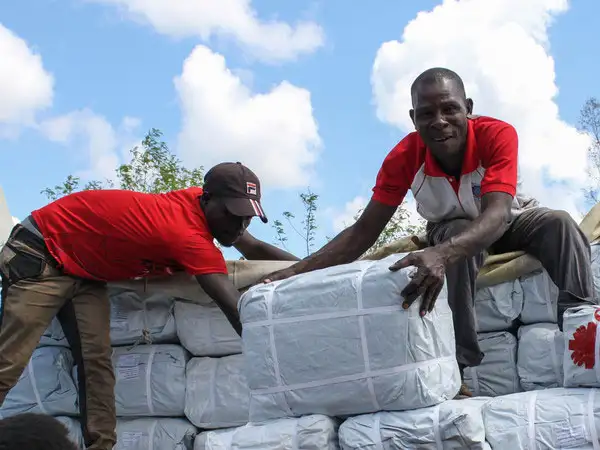
We stand with expert emergency workers braving conflict to get help to their communities, and parents doing whatever they have to to keep their children safe.
We work alongside peace builders and social workers, healing wounds that are more than skin deep.
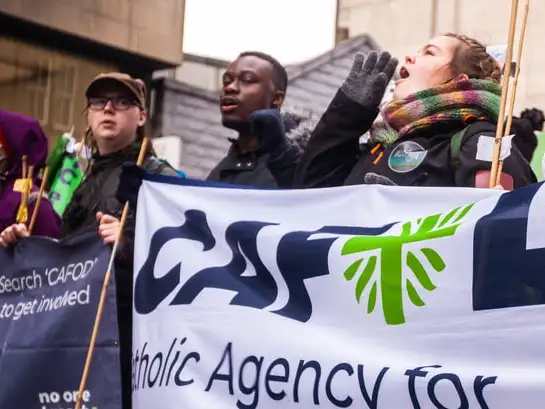
We raise our voices in unison with brave activists, speaking out against corruption, injustice and the abuse of our common home, the earth.
We stand shoulder to shoulder with ordinary people fighting to defend their rights and their freedom – to food, to fair pay, to life without discrimination.
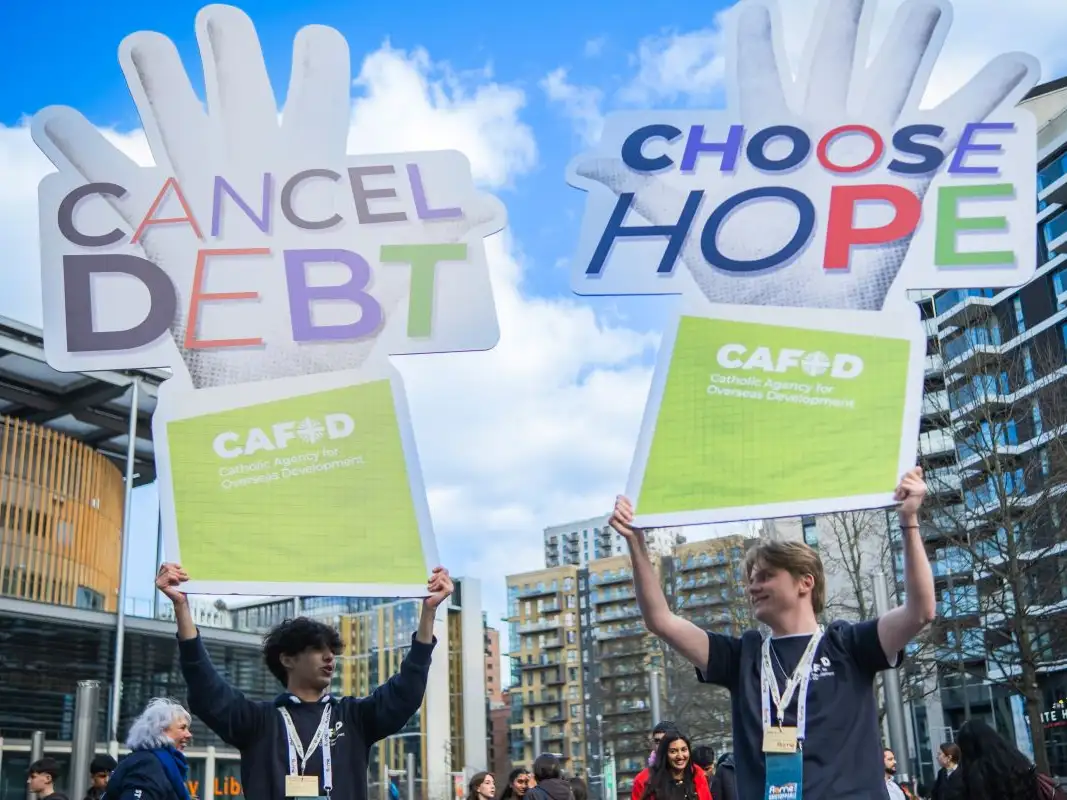
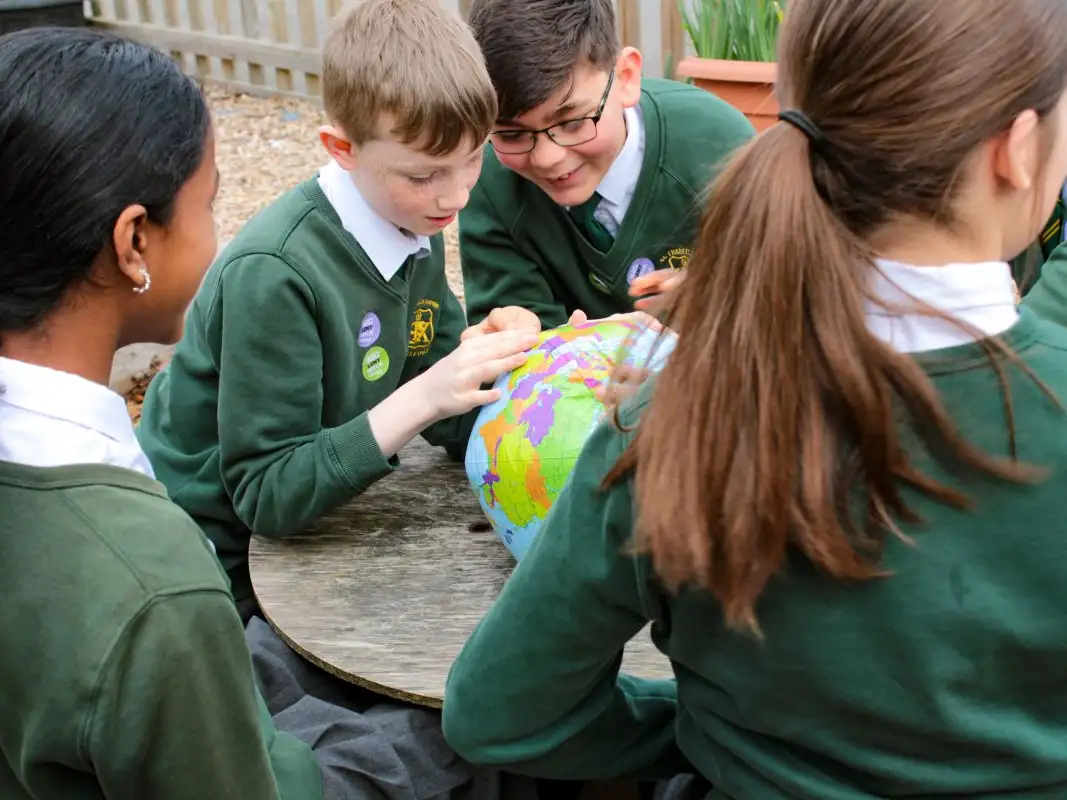
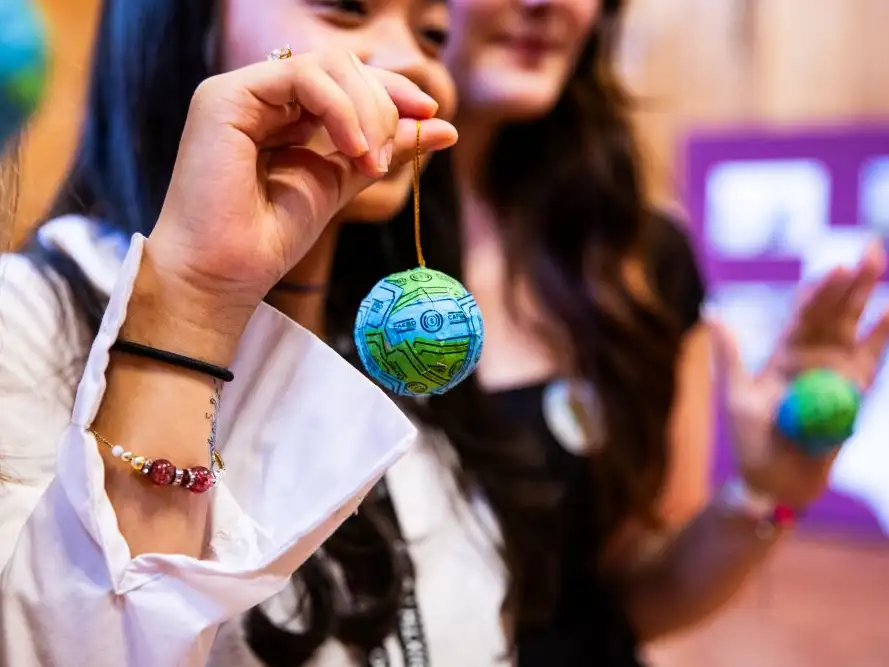
We support, encourage and cheer on fantastic fundraisers, vibrant volunteers and compassionate campaigners in parishes, schools and other communities across England and Wales as they raise vital funds, petition our politicians and pray for a better world.
Because good things happen when we combine our efforts. When we share what we have, build on our strengths, and try our new ideas. We all have a part to play, together or alone.
And, excitingly, there are so many ways we can continue to build a better world together.
Join us today by donating, campaigning, praying, volunteering or leaving a gift in your Will.