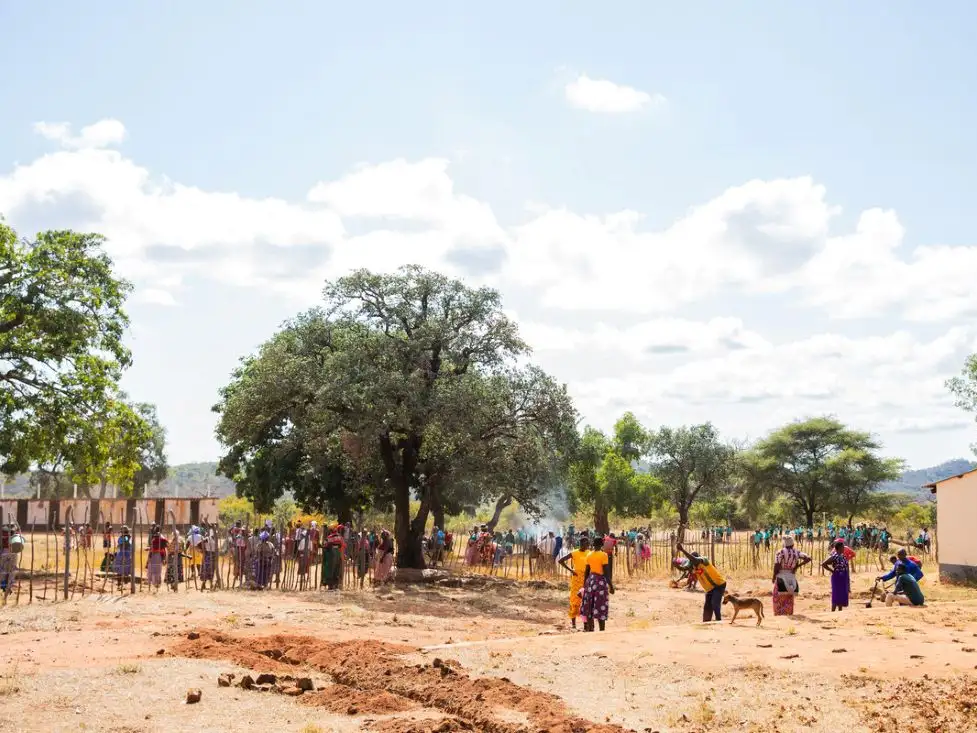
Uganda is a landlocked country full of diverse landscapes and abundant wildlife. It’s also the source of the Nile River, the longest river in the world. From the 1860s, the colonial British Empire created artificial boundaries for Uganda, which grouped together ethnic groups with different political systems and cultures. In 1962, when the country became independent, these differences caused major conflicts, the effects of which can still be felt today.
Despite massive positive strides in combatting diseases like HIV, as well as growing the economy, communities in Uganda still face an interconnected web of social and environmental challenges. These include inequality, food insecurity and a loss of biodiversity. Many years of an overreliance on, and exploitation of, natural resources, as well as the increasing frequency of extreme weather events, have resulted in declining productivity of the agricultural, forestry and fisheries industries, which form the basis of many livelihoods.
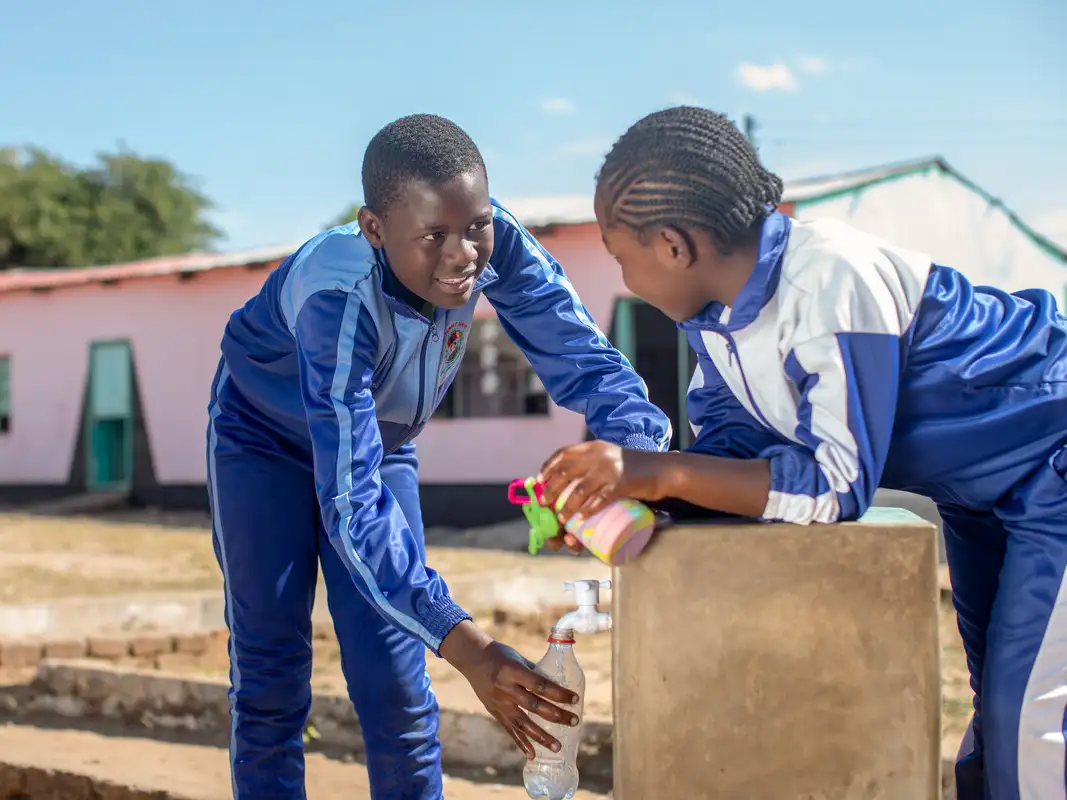
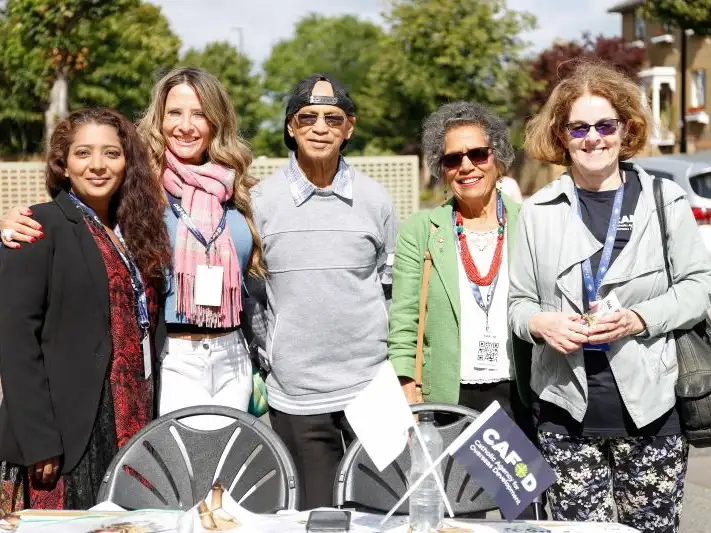
A better world needs all of us. That’s why CAFOD has been working alongside partners in Uganda since the 1980s. Together, we’ve been supporting people to fight disease, have food security and better access to water, and continue to strive for peace.