As world leaders prepare for COP31 in Türkiye, Neil Thorns, CAFOD’s Director of Advocacy and Communications, reflects on the Holy See’s distinctive voice in global climate diplomacy.
Having attended my fair share of UN COP climate summits, I am well aware that many people are surprised when they find out that the Holy See is involved in these negotiations.
The Holy See signed up to the UN Framework Convention on Climate Change (UNFCCC) and the landmark 2015 Paris Agreement, the global treaty where almost every country agreed to work together to tackle climate change. By becoming an official 'party' to these treaties, the Holy See holds a legal voice inside the climate negotiation rooms, shaping decisions on how the world addresses the climate crisis.
However, the Holy See's unique contribution is that its interventions consistently frame climate change not simply as an environmental or technical problem, but as a question of justice, human dignity and the collective protection of our common home.
This is what we can call 'holy diplomacy'. Governments inevitably negotiate through the lens of national interest. But the Holy See is in a position to ask a different question: what responsibility do we have to those who contributed least to the climate crisis but suffer its harshest consequences?
Moreover, because it does not represent a major economy or fossil-fuel interest, the Holy See can also act as a bridge between negotiating blocs, encouraging dialogue when trust is low.
The policy impact is tangible. At COP27, the Holy See intervened in support of vulnerable countries’ calls for a loss and damage fund, an outcome governments ultimately agreed to establish.
More recently, its messages at COP28 and COP29 have pressed for multilateral cooperation, fair climate finance, action on fossil fuels, and recognition that ecological debt and unjust financial debt are connected. Such interventions do not determine an agreement alone, but they strengthen justice-based arguments inside the negotiating room and help create political space for ambitious decisions.
As an official overseas agency of the Church in England and Wales, CAFOD helps turn that moral voice into public pressure in the UK too. Working through Catholic networks and partners in countries on the frontline of the crisis, we are able to bring testimony from affected communities to decision makers pressing governments for faster emissions cuts and adequate climate finance.
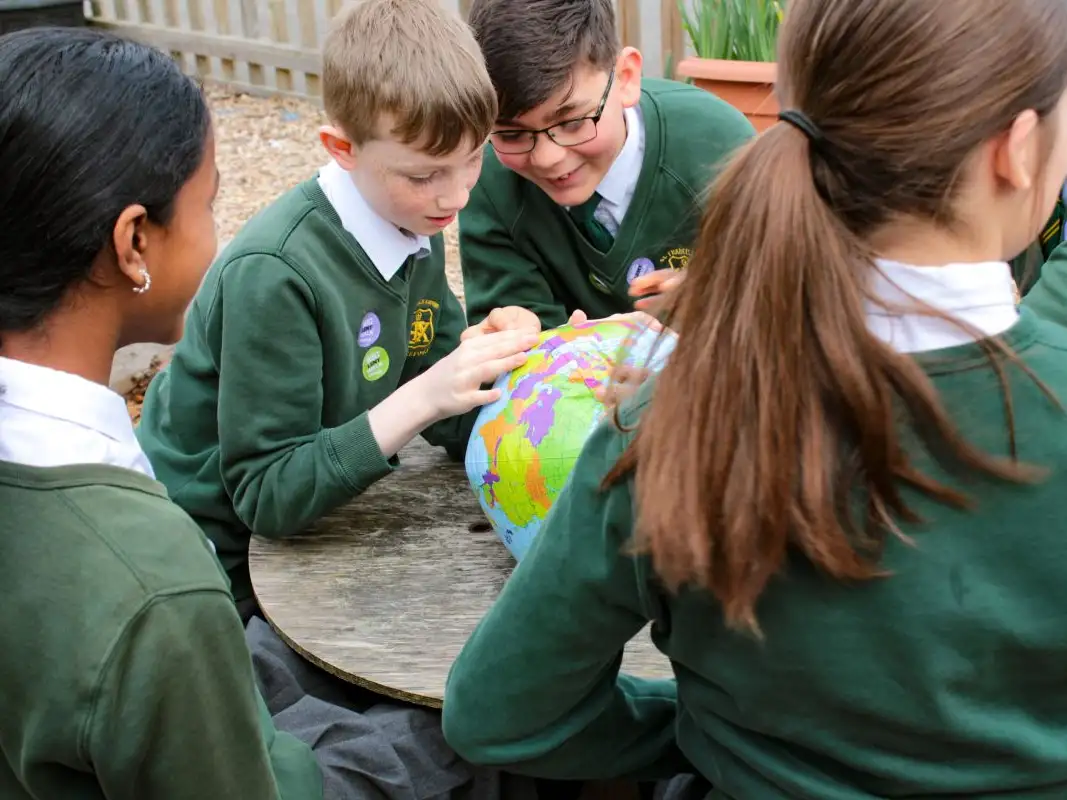
I still remember ahead of COP26, when the UK government hosted the climate talks in Glasgow, how thousands of supporters called for communities hardest hit by climate change to be placed at the centre of negotiations, while more than 50,000 children and young people from Catholic schools joined CAFOD’s Eyes of the World campaign.
Climate justice is not an optional political interest; it flows from faith. Creation is God’s gift, every person possesses equal dignity, and solidarity requires us to stand with those bearing costs they did little to cause.
Catholic commitment, whether it is from prayer, lifestyle change or campaigning, complement the Holy See’s diplomatic work. When the Church speaks and acts together, and offers more than words, we become a global community capable of sustaining hope, challenging narrow self-interest, and demanding that COP decisions protect our common home and everyone who depends upon it.

Would you like to know how decisions at this year's United Nations climate talks will affect the fight for climate justice? Join our webinar live from Türkiye as CAFOD Advocacy Director Neil Thorns shares insights from the COP31 climate talks.
We will explore the main issues on the table, discuss the level of priority the UK government is giving to climate action with the Prime Minister present, and look at the Holy See’s vital role in championing the world’s most vulnerable communities.