The crisis in Sudan has plunged the country into one of the world’s worst humanitarian crises.

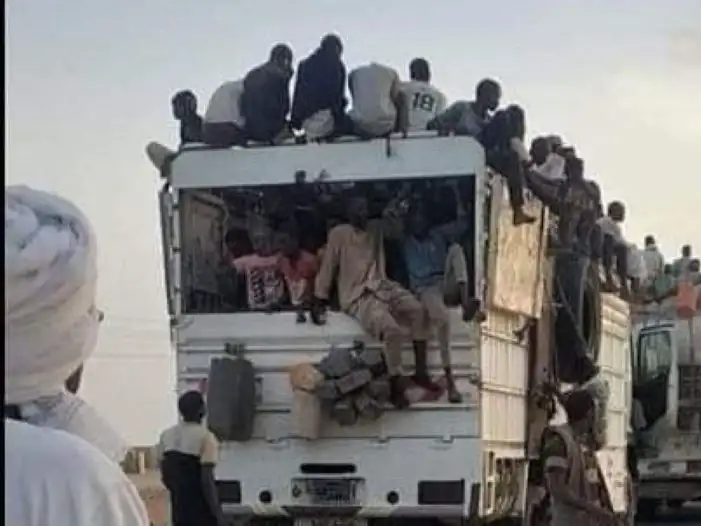
Since April 2023, the escalating conflict in Sudan has forced millions of people to flee their homes.
Three years later, the conflict shows no sign of ending. It is the world’s largest humanitarian crisis. Now, over 33 million people - more than half of Sudan's population - are in urgent need of humanitarian assistance like medical care, food and shelter.
A better world needs all of us. That’s why our work in Sudan began in 2004 and continues today.
With your support, we are keeping families safe, running life-saving medical centres, advocating for a ceasefire and delivering emergency aid like food.
We have opened a life-saving medical centre for severely malnourished children. Untreated, acute malnutrition can lead to disease or death.
In 2024 year, we reached 116,449 people in Sudan.
Our healthcare programmes, which help tackle the spread of diseases such as cholera, reached over 300,000 people in 2024 and continue today.
The crisis in Sudan has plunged the country into one of the world’s worst humanitarian crises.
We’re urging the Foreign Secretary to take action to end the suffering in Sudan.

We ask the Lord to open the paths of peace as we pray for the people of Sudan who are facing conflict and hunger.
Hold a collection or fundraiser in your parish to get urgent support to families affected by the crisis in Sudan.
Raise money in your school to support our global neighbours in Sudan.

Set up a fundraising page on JustGiving to raise money for the Sudan Crisis Appeal.
Sudan was already one of the poorest countries in the world (ranked 170 out of 193 countries on the Human Development Index). Sadly, three years of war have made the situation so much worse.
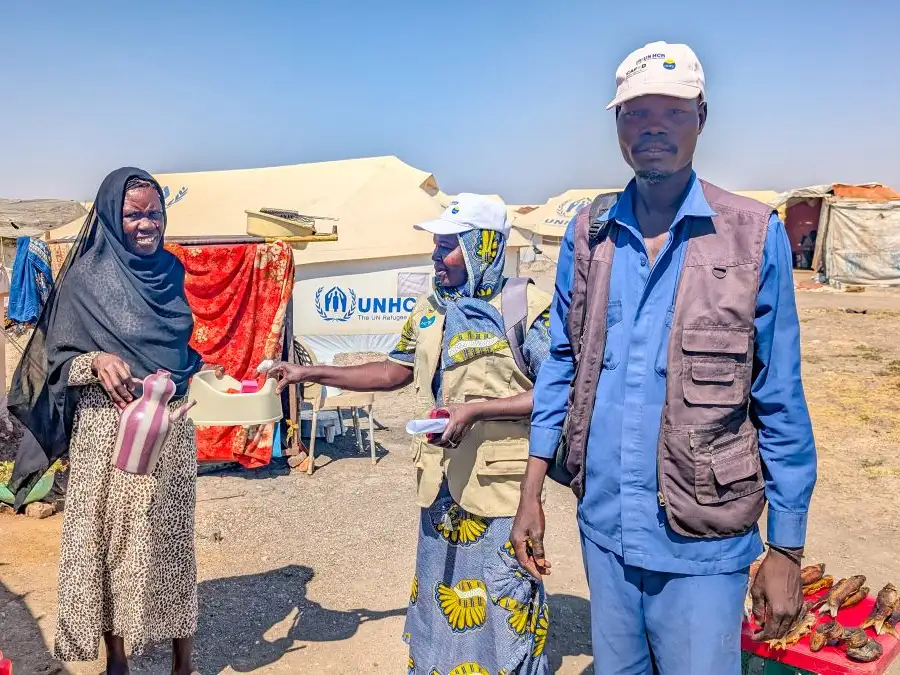
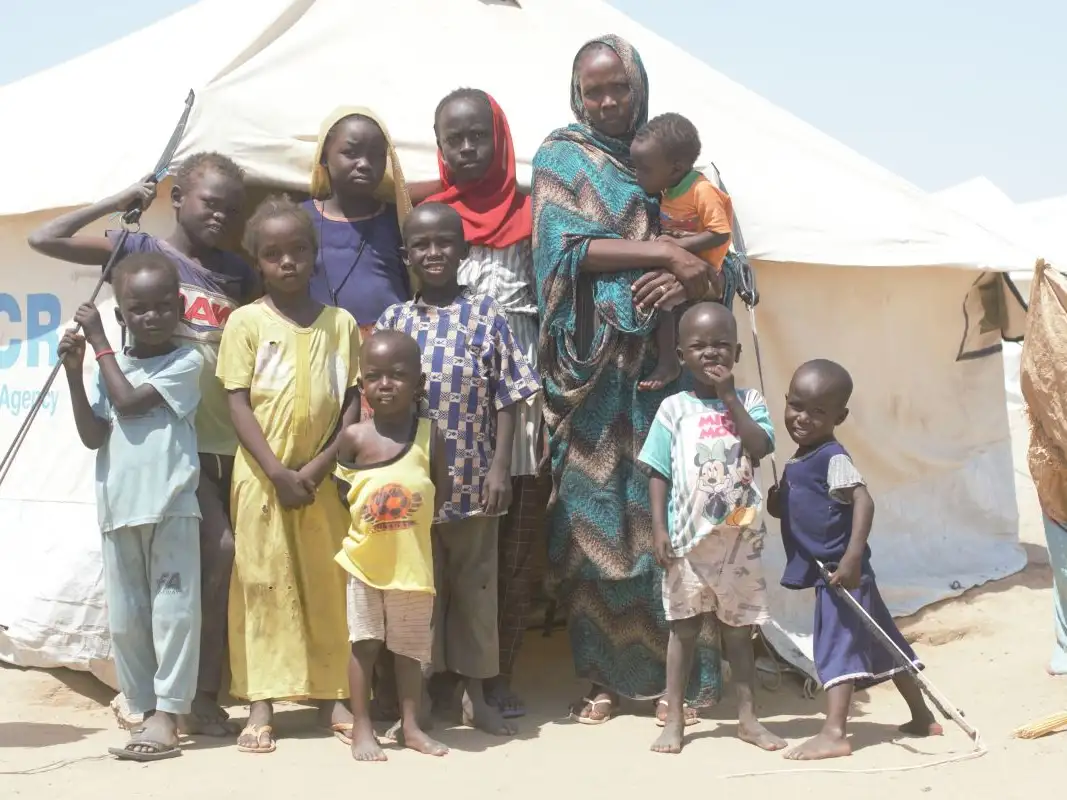
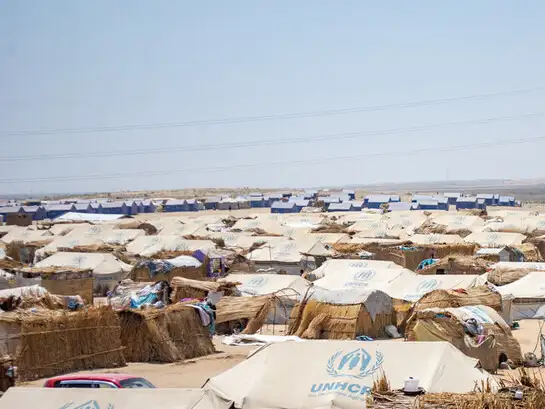
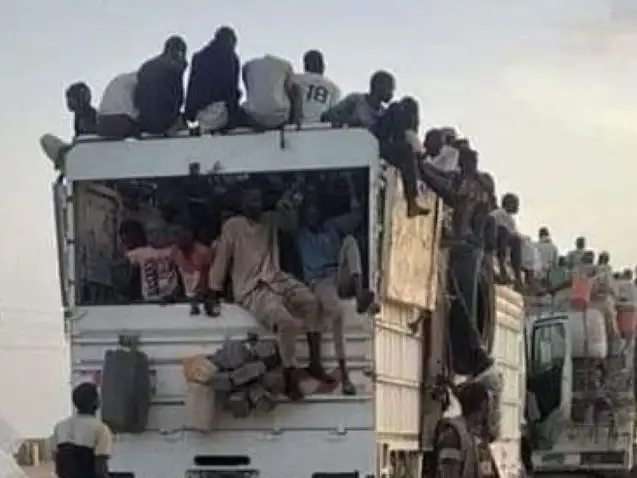
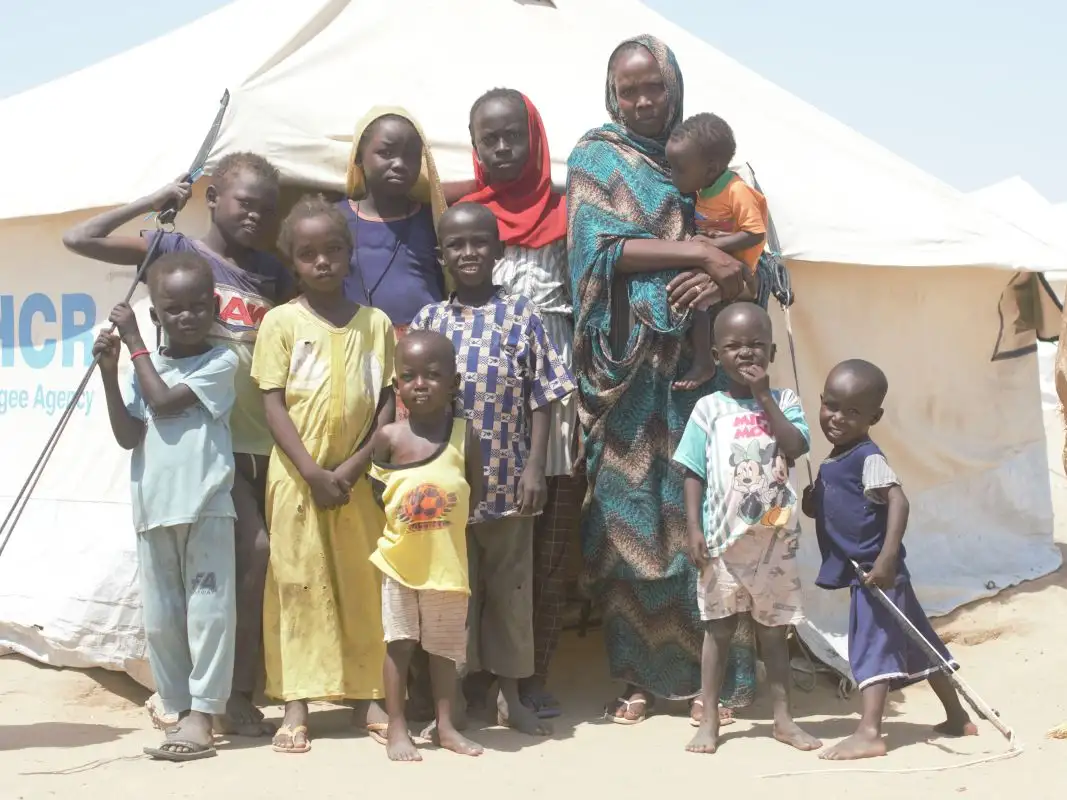
The war has displaced around 9-9.3 million people in Sudan. A further 4.3 million are now refugees in neighbouring countries, such as South Sudan or Egypt. Refugee camps along the White Nile in South Sudan are already at four times their capacity, with 1,000 more people seeking shelter every day.
In three years of war, 150,000 people have died – that’s 137 people a day.
Women and girls are the worst affected, with sexual violence at a critical level. Families are suffering from severe food shortages, which can lead to acute malnutrition.
Children and adults do not have enough food or nutrients, leading to wasting and high risk of disease and dying
A better world needs all of us. Through local experts, we are working in remote areas delivering urgent aid.
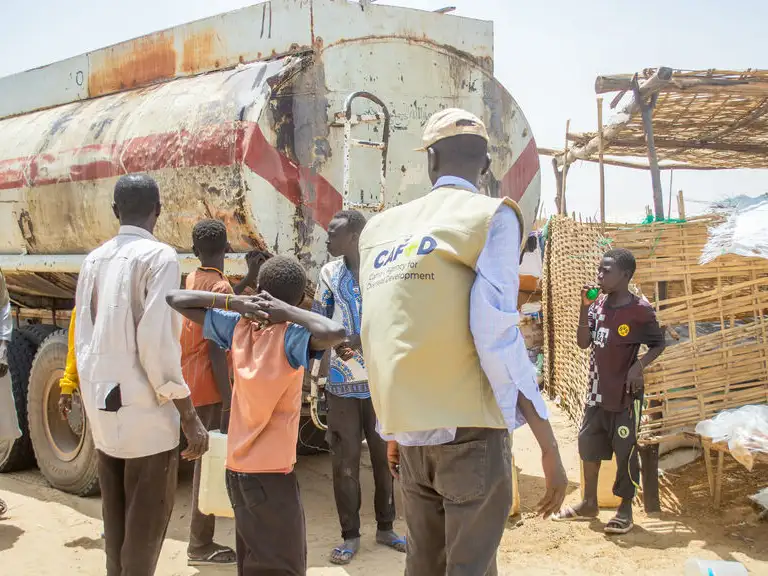
We work with local Church partners and other local experts to provide emergency food, life-saving medical care and safe drinking water.
We are working with religious leaders in Sudan and pushing the UK government to scale up efforts to secure a ceasefire, increase emergency aid and increase funding.
You are supporting families in Sudan to survive, adapt and rebuild.
CAFOD partners have been providing emergency food packages and access to hot-soup kitchens to families who have been forced to flee their homes, as well as the communities hosting them.
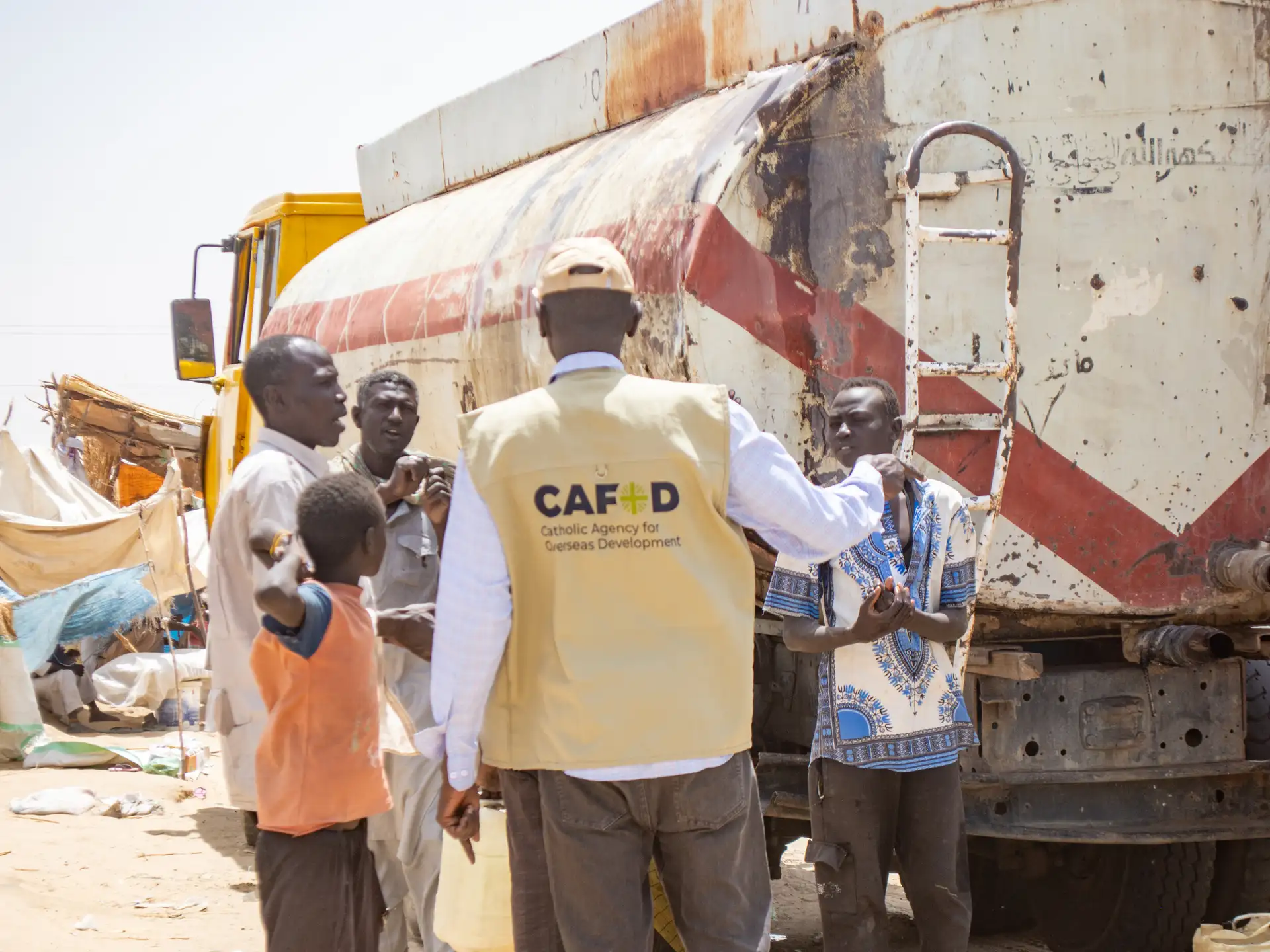
The ongoing conflict has led to water pipelines being damaged, resulting in communities not having access to clean water and having to resort to fetching water from unsafe locations.
CAFOD’s local partners have been working to repair damaged water pipelines and construct new water facilities to increase the water supply in remote communities.
CAFOD’s local partners are not only supporting people who have been forced from their homes within Sudan, they are also supporting refugees from neighbouring countries who now find themselves in dire need of emergency aid such as water, food and medicine.
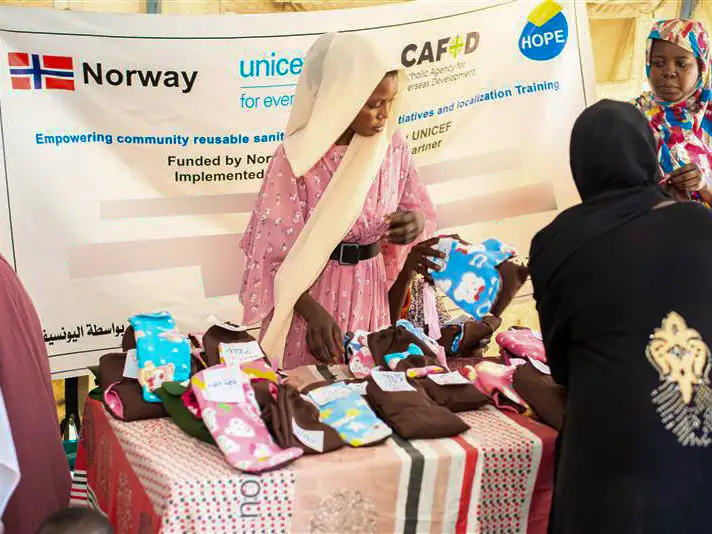
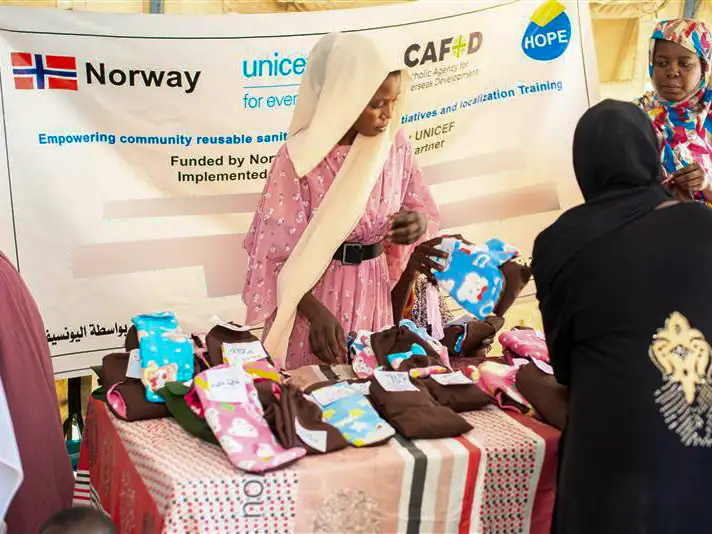
CAFOD’s cash voucher programmes are helping vulnerable families to buy essentials like food and hygiene kits to stay healthy and prevent the spread of dangerous diseases like cholera.
CAFOD is the official aid agency for the Catholic Church in England and Wales.
With your help, we reach out to people living in hard-to-reach places, in war zones and those who are discriminated against.